
Soft Washing vs. Pressure Washing: Your Guide to a Sparkling Exterior!

Choosing the right way to clean your home's exterior can feel a bit tricky, can't it? You've got tough stuff like algae, mold, and grime to deal with, and the last thing you want is to accidentally damage your beautiful siding or roof. That's where understanding the difference between soft washing and pressure washing comes in! We're here to break down how each method works, what makes them unique, and help you pick the perfect solution to keep your property looking its best. We'll cover everything from the nitty-gritty of how they work, what they cost, the chemicals involved, and even whether it's a DIY job or a pro task. Let's get your home looking its absolute best!
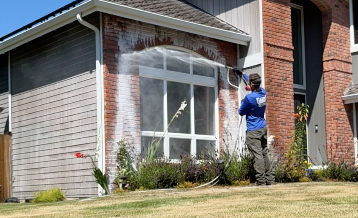
What's the Deal with Soft Washing?
Think of soft washing as a gentle, yet powerful, approach to exterior cleaning. It uses low-pressure water, usually between 150–500 PSI, combined with specialized cleaning solutions. These aren't your average cleaners; they're designed to tackle organic growth like mold, algae, and mildew right at the source. By letting these solutions work their magic, we can effectively kill and dissolve these pesky growths without the harsh force that could damage your home. For instance, treating vinyl siding with a carefully mixed solution can prevent regrowth and help your siding last longer, offering a clean that's both effective and kind to your home's delicate materials.
Just How Gentle is Soft Washing Pressure?
Soft washing operates in a sweet spot of 150 to 500 PSI. This pressure is gentle enough that it won't etch surfaces, crack materials, or strip away paint. At these lower pressures, the cleaning solutions have enough time to really break down the organic bonds causing the grime, all without causing any mechanical damage. This makes it perfect for cleaning things like shingles, stucco, and wood without worrying about compromising their structure. It’s all about achieving a thorough clean while keeping your home's integrity intact!
What Kind of Cleaning Agents Does Soft Washing Use?
The magic behind soft washing often comes from a blend of sodium hypochlorite (a gentle bleach), surfactants (which help the solution spread and penetrate), and algaecides. Sodium hypochlorite is fantastic at breaking down the cell walls of mold and algae, while surfactants help the solution get into those tiny pores where grime hides. Algaecides are like a protective shield, preventing new spores from taking hold. Together, these ingredients work to dissolve tough grime and keep your surfaces cleaner for longer, especially on porous materials like roofs and decks.
What Gear Do You Need for Soft Washing?
To get started with soft washing, you'll typically need a low-pressure pump (that 150–500 PSI range we talked about), nozzles that can adjust the spray, tanks for your cleaning solutions, and hoses that can handle those solutions. A pump that maintains a consistent, adjustable flow is key, and fan-style nozzles help spread the solution evenly. Having tanks that allow for accurate dilution ratios is super important for both safety and effectiveness, ensuring you get a uniform mixture that cleans gently without oversaturation.
What Surfaces Shine with Soft Washing?
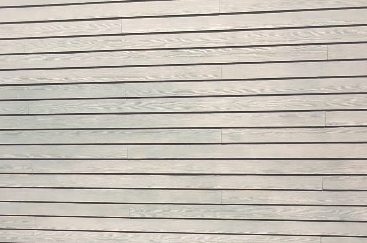
Soft washing is a real hero for surfaces that are a bit more delicate or porous and tend to get that organic buildup:
Roof shingles that could crack under high pressure
Vinyl and wood siding that can chip or peel
Stucco and EIFS that might pit
Fences and decks that need a gentle touch
Window frames and screens
What Are the Big Wins with Soft Washing?
Soft washing really shines when it comes to:
Keeping Surfaces Safe: The low pressure means no damage to delicate materials.
A Clean That Lasts: The biocides tackle growth at the root, so the clean lasts longer.
Peace of Mind: It significantly reduces the risk of injury or damage to your property.
Being Kind to the Earth: Controlled chemical application means less impact on your landscaping and the environment.
Soft Washing: Protecting Your Home's Beauty
As the Environmental Protection Agency (EPA) notes in their "A Guide to Exterior Cleaning" (2022), soft washing uses low-pressure water and specialized chemicals to effectively eliminate organic growth like mold and algae right at the source. This method is a lifesaver for delicate surfaces like roofs and siding, preventing damage and helping those materials last longer. It truly is a testament to choosing the right cleaning method for the job!
Let's Talk About Pressure Washing!
Pressure washing is your go-to for a more robust cleaning approach. It uses high-pressure water, typically ranging from 1,300 to 4,400 PSI, to powerfully blast away dirt, grime, and stubborn stains from durable surfaces. This mechanical force can strip away contaminants in a flash, making it ideal for tougher jobs. Imagine blasting away embedded oil spots and tire marks from a concrete driveway – pressure washing can restore that clean finish in no time!
What Pressure Levels Are We Talking About with Pressure Washing?
Pressure washers really crank it up, operating between 1,300 and 4,400 PSI, with professional-grade equipment often exceeding 4,000 PSI. This high force is excellent for breaking the adhesion of tough dirt, old paint, and rust. You can also fit different nozzles to adjust the pressure for gentler tasks, or use specialized ones like turbo or rotary nozzles for really thick grease or gum. It offers a lot of versatility for tackling a wide range of cleaning needs.
What Equipment is Essential for Pressure Washing?
A typical pressure washing setup includes a high-pressure pump, a reliable engine or electric motor to power it, a high-pressure hose, and a set of interchangeable nozzles (think 0°, 15°, 25°, 40° spray patterns) along with a safety wand. The pump pressurizes the water, the engine keeps everything running, and the nozzles shape the spray. You'll also find heavy-duty fittings and quick-connect couplers that ensure everything performs consistently, even under that intense pressure.
Which Surfaces Love Pressure Washing?
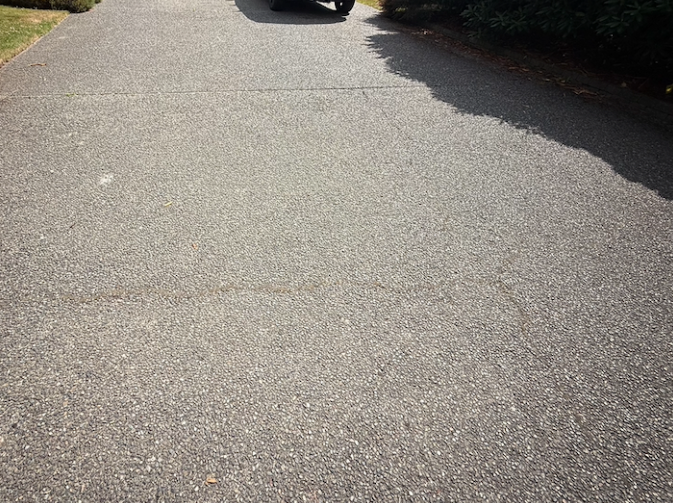
Pressure washing is best suited for surfaces that are tough and non-porous:
Concrete driveways and sidewalks
Brick and stone veneers
Metal siding and heavy equipment
Garage floors and loading docks
What Are the Main Perks of Pressure Washing?
Pressure washing really delivers on:
Serious Cleaning Power: That high PSI gets rid of tough stains quickly.
Saving You Time: The rapid cleaning action means less time spent on the job.
Being Versatile: With adjustable pressure and different nozzles, it can handle a lot of different tasks.
What Are the Risks and Safety Tips for Pressure Washing?
While pressure washing is effective, it's important to be aware of the potential risks. The high PSI can sometimes etch concrete, peel paint, or even cause injury if not handled carefully. Safety measures are a must! Always wear protective gear like gloves and eye protection, maintain the correct nozzle angle, and be mindful of local regulations for wastewater disposal.
Pressure Washing: Powerful, But Handle with Care
As Consumer Reports highlighted in "Choosing the Right Pressure Washer" (2023), while pressure washing is great for tough stains on durable surfaces, it does come with risks. That high-pressure water can indeed etch concrete, peel paint, and cause injury if you're not careful. That's why wearing protective gear and using the right nozzle angles are so crucial to keep things safe and prevent damage.
Soft Washing vs. Pressure Washing: How Do They Stack Up?
The main differences between soft washing and pressure washing really come down to the pressure levels they use and how they clean. Each has its own set of advantages and is best suited for different jobs. Let's take a look at how they compare to help you figure out the best approach for your specific needs.
Soft Washing uses lower pressure (150–500 PSI) and relies on cleaning chemicals to break down organic growth. It's fantastic for delicate surfaces like roofs and siding, offering a gentle yet effective clean that lasts longer. The main consideration is that it involves handling cleaning solutions.
Pressure Washing uses much higher pressure (1,300–4,400+ PSI) and relies on the force of water to blast away dirt. It's incredibly powerful and time-efficient for hard surfaces like concrete and stone, but it does carry a risk of damage if not used correctly and can use more water.
What's the Difference in PSI and How They Clean?
Soft washing operates at a gentle 150–500 PSI, using biocides to break down organic matter. Pressure washing, on the other hand, uses a forceful 1,300–4,400+ PSI to physically strip away dirt. This means soft washing is great for protecting delicate materials, while pressure washing is best for more resistant surfaces where that mechanical force is needed.
How Do the Cleaning Agents Differ?
Soft washing typically uses a blend of sodium hypochlorite, surfactants, and algaecides to kill mold and algae. Pressure washing usually relies on water alone or perhaps some mild detergents, with the cleaning power coming from the sheer force of the water rather than chemical action.
Which Surfaces Are Best for Each Method?
Soft washing is the way to go for fragile or porous surfaces like asphalt shingles, vinyl siding, and wood decks that could be damaged by high-pressure streams. Pressure washing is ideal for sturdy, non-porous surfaces such as concrete, brick, and stone, where the mechanical force is safe and effective.
What About the Cost Differences?
Generally, soft washing might have a slightly higher cost per square foot because of the specialized chemicals and the time the solutions need to dwell. Pressure washing can sometimes be a bit less expensive per square foot, reflecting the faster cleaning time, but it's always wise to factor in the potential cost of repairs if the method isn't applied correctly.
How Do the Results and Longevity Compare?
Soft washing provides a deeper clean that kills organic growth at its source, offering resistance to regrowth for months. Pressure washing gives you that immediate "wow" factor with a blast-clean appearance, but you might find that spores or residues can return more quickly, sometimes within weeks.
When Should You Reach for Soft Washing or Pressure Washing?
Deciding between soft washing and pressure washing really comes down to what you're cleaning, what kind of dirt you're dealing with, and what kind of results you're hoping for. Making the right choice helps ensure your surfaces stay in great shape and you get the best possible outcome.
Here are some things to consider when you're making your choice:
What's the Surface Made Of? Think about how delicate it is – like comparing asphalt shingles to concrete.
What Kind of Grime Are You Fighting? Organic growth often responds better to chemicals, while oil stains might need a good blast of force.
What's Your Goal? Are you looking for a deep, long-lasting clean, or just a quick removal of surface debris?
What Are the Surroundings Like? If you have sensitive plants nearby, you'll want to consider how the cleaning process might affect them.
These factors will help guide you toward a method that's both effective and safe for your property.
Is Soft Washing the Safer Bet for Delicate Surfaces?
Absolutely! Soft washing is much safer for delicate surfaces like roofs and siding. By using low pressure and targeted chemicals, it avoids the risk of cracking shingles or stripping paint, all while effectively removing algae, mold, and lichen. It really helps preserve the integrity of your home's materials.
When is Pressure Washing the Better Choice?

Pressure washing is your best friend for tackling tough stains on durable surfaces. Think oil stains on concrete driveways, graffiti on brick walls, or stubborn mildew on stone patios. The water force really does the heavy lifting to restore their appearance quickly and effectively.
Can You Ever Use Both Methods?
You bet! Sometimes, the best approach is a combination. You might use soft washing to gently clean delicate areas like your roof or siding, and then follow up with pressure washing on harder surfaces like your driveway or patio. This hybrid approach ensures each part of your exterior gets the tailored treatment it needs, leading to the best overall results and longevity.
A Closer Look at Soft Washing Chemicals: Safe and Effective!
It's always good to know what's in the cleaning solutions we use. Understanding the composition, how they're diluted, and their environmental impact is key to using them safely and responsibly.
Sodium Hypochlorite is a powerful biocide that breaks down microbial cell walls, effectively eliminating mold, mildew, and algae. It works by oxidizing organic compounds, turning stubborn deposits into residues that can be easily rinsed away.
Surfactants play a crucial role by reducing water's surface tension. This allows the cleaning chemicals to penetrate deeper into surfaces and lift away grime more effectively. Algaecides are added to prevent spores from germinating and inhibit future growth, helping to keep your surfaces cleaner for longer periods between cleanings.
What Are the Recommended Dilution Ratios and Safety Tips?
A typical soft wash mixture might involve one part sodium hypochlorite to about five parts water, along with 1–2% surfactants and 0.1–0.5% algaecides. When working with these solutions, it's always important to wear chemical-resistant gloves and goggles. Also, be sure to follow any local guidelines for runoff containment to protect your plants and nearby water sources.
Are These Soft Washing Chemicals Eco-Friendly?
Many of the newer formulations are designed with the environment in mind, often including biodegradable surfactants and carefully balanced biocides to minimize toxicity. When applied and rinsed properly, these chemicals tend to break down within a few weeks, reducing their environmental impact while still delivering a fantastic clean.
The Right Tools for the Job: Soft Washing vs. Pressure Washing Equipment
Both soft washing and pressure washing require specialized tools, and choosing the right equipment can make a big difference in how effective, safe, and compatible the cleaning process is with your home's surfaces.
What Kind of Pumps and Nozzles Does Soft Washing Use?
For soft washing, you'll typically see diaphragm or piston pumps that are rated for low pressure (150–500 PSI) and are compatible with cleaning chemicals. Fan nozzles, often around 40°, are great for spreading the cleaning solution evenly, while adjustable mist nozzles help control how long the solution stays on the surface to maximize its cleaning action.
What Are the Key Parts of Pressure Washing Gear?
Pressure washing setups usually involve a high-pressure pump, an engine or electric motor to power it, hoses made of strong, steel-braided material rated for high PSI, and a variety of nozzles that offer different spray patterns, from a concentrated 0° jet to a wider 40° fan. Some specialized nozzles, like rotating turbo nozzles, can even intensify the cleaning power for really tough spots.
How Does Equipment Choice Affect Cleaning?
Choosing the right PSI and nozzle size is crucial to prevent damaging surfaces and to ensure operator safety. Low-pressure systems are designed to protect more delicate materials, while high-pressure machines are built to tackle heavy-duty tasks more quickly. Matching the pump's capacity to the size of the area you're cleaning also helps ensure consistent and effective performance.
Are There Any Cool New Techs in Cleaning Equipment?
Yes, there are! We're seeing some great innovations like adjustable-pressure triggers, chemical-mixing valves that make dilution easier, quick-swap nozzle systems, and even eco-mode engines that help optimize fuel and water usage. These advancements really help improve precision, reduce waste, and give operators better control.
DIY or Pro? Deciding on Your Cleaning Approach
When it comes to cleaning your home's exterior, you might be wondering whether to tackle it yourself or call in the professionals. It's a decision that involves weighing the costs, potential risks, and the level of expertise needed.
DIY soft washing can definitely save you money on labor, but it does require careful handling of chemicals, having the right protective gear, and knowing your dilution ratios. DIY pressure washing can get the job done quickly, but there's a higher risk of injury or surface damage if you're not experienced.
Hiring professionals means you're working with trained technicians who have calibrated equipment and liability coverage, which generally ensures safety and top-notch results.
While professional services might seem like a bigger upfront investment, they can often prevent costly repairs down the line and provide guaranteed outcomes with minimal effort on your part.
What Are the Pros and Cons of DIY Soft Washing?
Doing your own soft washing can save you about 30–50% on labor costs, and you get to choose your own schedule. However, if you mix the chemicals incorrectly or apply them improperly, you could potentially harm your landscaping or even run afoul of local regulations. It's really important to have adequate training and the right protective equipment if you go this route.
When is it Best to Call a Pro for Soft Washing?
It's often recommended to call in the professionals for soft washing if you have a multi-story home, steep roofs, or historic structures. Professionals have the specialized safety equipment, commercial-grade systems, and the expertise to ensure precise chemical application and compliance with environmental codes.
What Should You Know Before You DIY Pressure Washing?
Before you dive into DIY pressure washing, make sure you read through the equipment operation manuals, practice on a small, inconspicuous area first, and invest in proper safety gear. Misusing a pressure washer can lead to serious injuries, water getting behind your siding, or even damage to your concrete.
How Do Professionals Ensure Safety and Quality?
Professional services use certified equipment that's calibrated for each specific surface. They adhere to OSHA and EPA guidelines and carry insurance for your peace of mind. Their expertise significantly minimizes the risk of damage, maximizes cleaning efficiency, and ensures that wastewater is managed properly.
Thinking About the Environment: Soft Washing vs. Pressure Washing Impacts
Both cleaning methods use water and can affect the quality of runoff. Understanding eco-friendly practices is key to protecting your landscaping and local waterways.
Water Usage: Soft washing uses lower flow rates over longer periods, while pressure washing delivers high flows quickly.
Eco-Friendly Solutions: Look for biodegradable surfactants and phosphate-free detergents.
Runoff Management: Techniques like using containment mats or vacuum recovery can prevent contaminants from entering storm drains.
How Does Water Usage Compare?
Soft washing typically uses about 30–50 gallons per minute, but it's applied in controlled passes. Pressure washing might use 2–4 gallons per minute, but at a much higher flow rate, meaning it covers areas faster but can potentially use more water overall.
What Are the Best Eco-Friendly Cleaning Solutions?
For the most eco-friendly approach, opt for biodegradable surfactants derived from natural sources like coconut or corn, formulas that are phosphate-free, and biocides with low toxicity. Using certified green solutions ensures you're meeting regulatory standards while being kind to the environment.
How Can Pressure Washing Affect the Environment?
The runoff from pressure washing can carry sediment, oil, and paint chips into storm drains. If this runoff isn't properly contained, these pollutants can degrade water quality and harm aquatic life.
What Are Some Responsible Water Management Practices?
Industry best practices often include using filter socks, collection basins, or vacuum recovery systems to capture runoff. Recycling recovered water for subsequent washes is also a great way to reduce overall water consumption and minimize environmental impact.
Your Top Questions About Soft Washing and Pressure Washing Answered!
We often get asked about the best method to choose, safety concerns, and how often cleaning is needed. Understanding these common questions can help set realistic expectations and ensure you're on the right track with your exterior cleaning.
What's the Main Difference Between Soft Washing and Pressure Washing?
The biggest difference is the pressure and how they clean: soft washing uses 150–500 PSI with chemicals to dissolve organic growth, while pressure washing uses 1,300–4,400+ PSI of water force to blast away dirt.
Which Method is Safer for Delicate Surfaces?
Soft washing is definitely safer for delicate surfaces like roofs and siding. Its low pressure prevents damage to shingles, stucco, and vinyl siding, helping to maintain the material's integrity during cleaning.
What Kinds of Stains Does Soft Washing Handle Best?
Soft washing is excellent for organic stains – think mold, mildew, algae, and moss. It works by killing the growth at its source and then rinsing away the residue.
What PSI Does Soft Washing Use Compared to Pressure Washing?
Soft washing operates in the 150–500 PSI range, while pressure washing typically falls between 1,300 and over 4,400 PSI. This really highlights the significant difference in the mechanical force each method uses.
How Often Should I Clean My Exterior?
For soft washing, it's generally recommended every 12–24 months to keep organic growth at bay. Pressure washing might be done annually on hard surfaces like driveways, or as needed for specific stain removal.
Ultimately, both soft washing and pressure washing are powerful tools for keeping your home's exterior looking fantastic, but they do it in different ways. By matching the method to the type of surface, the kind of grime you're dealing with, and your long-term goals, you can ensure you get effective results with minimal risk. Using the right equipment, chemicals, and safety practices is key to protecting your property and the environment. And remember, if you have a particularly challenging or high job, calling in a professional team can be a great way to ensure everything is handled safely and effectively. A smart approach, perhaps combining soft washing for delicate areas and pressure washing for tougher spots, can give you a comprehensive exterior cleaning strategy that boosts curb appeal, protects your home's materials, and even reduces long-term maintenance needs. Let's get your home looking its absolute best!

Comments